
Design Build Construction: How Texas Companies Streamline Commercial Building Projects
Texas companies streamline commercial building projects through the design-build construction method, which combines design and construction in one contract. This approach enhances communication and reduces confusion, as you’ll work with a unified team. It allows overlapping of design and construction phases, leading to faster timelines and more accurate budgeting. By fostering quicker decision-making, it minimizes delays, maintaining project momentum. Additionally, integrated project management enhances coordination and accountability, ensuring your project stays aligned with its goals. If you’re curious about how this method can further benefit your projects, there’s more to explore on this topic.
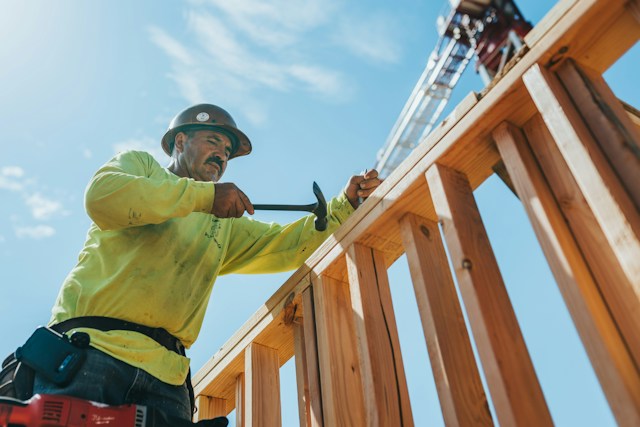
Understanding the design-build construction approach for commercial projects
In the domain of commercial projects, understanding the design-build construction approach can profoundly enhance your project’s success. This integrated method enables you to hire a design build contractor in Texas who takes responsibility for both design and construction under one umbrella, simplifying your project management. By combining these functions, a cohesive team can facilitate improved communication, leading to quicker decision-making and fewer misunderstandings.
Working with a commercial construction company in Texas that specializes in design-build allows you to streamline timelines. Traditionally, delays can occur due to sequential project phases; however, design-build accelerates the entire process by overlapping the design and building stages. Additionally, this approach supports better budget management as the design build contractor can provide accurate estimates from the outset, minimizing unexpected costs.
Effective construction management in Texas guarantees that your project stays on track, meeting both deadlines and quality standards. With a singular point of accountability, the risk of finger-pointing between contractors and designers is greatly reduced. To summarize, understanding design-build can transform how you execute commercial projects, ultimately driving efficiency, cost-effectiveness, and satisfaction.
How design-build differs from traditional construction delivery methods
Design-build stands out from traditional construction delivery methods by integrating the design and construction processes into a single contract. This approach allows you to work with a unified team, fostering collaboration and efficient communication. In traditional methods, you’re often juggling between multiple entities architects and contractors which can lead to misunderstandings and project delays. With design-build, these challenges diminish, and you’ll notice a more streamlined process.
In Texas, choosing a design-build model means engaging with a commercial general contractor who manages every aspect of your project. You’ll benefit from pre-construction services that help you establish clear budgets and timelines early on, ultimately reducing risks. This collaborative approach guarantees that design and construction decisions are made with full knowledge of both sides, promoting accountability and cohesion.
Additionally, the integrative nature of design-build construction Texas helps you respond to changes more swiftly, adapting throughout the project without disrupting the overall timeline. This level of coordination is key in achieving successful commercial projects in a competitive environment. By understanding how design-build differs from traditional methods, you’ll be better positioned to set your project up for success.
Benefits of using one integrated team for design and construction
Experience the advantages of having one integrated team for both design and construction. This streamlined approach leads to improved efficiency, allowing you to save both time and money. When you work with a single team, such as expert design build contractors in Dallas, you’ll notice smoother collaboration throughout the project.
With commercial building contractors in Texas handling both design and construction, you can expect faster decision-making, minimizing delays typically associated with separate entities. You’ll benefit from enhanced accountability, as one team oversees the entire process, providing you with a clearer vision of project milestones and timelines.
Moreover, this cohesive approach reduces the risks of miscommunication and guarantees that your project aligns more closely with your vision and budget. In addition, construction project management in Texas becomes more effective, as the team can swiftly respond to changes or challenges that arise.
How design-build improves communication and project coordination
Collaboration takes center stage in design-build construction, fundamentally enhancing communication and project coordination. By integrating design and construction teams, misunderstandings and misinterpretations are markedly reduced. You’ll find that working with a single entity streamlines information flow, making it easier to share ideas and solve problems swiftly.
With Merit Contractors, Inc. leading the charge, you can expect clarity at every stage of the project. Their commitment to open dialogue fosters a culture of transparency, where team members can ask questions and clarify details without hesitation. This proactive communication strategy guarantees that everyone is aligned on project goals, timelines, and budgets.
Moreover, project coordination improves thanks to regular meetings and collaborative tools that keep all stakeholders informed. You won’t have to worry about the traditional silos that often hinder progress; instead, you’ll enjoy a synchronized workflow where architects, engineers, and builders work hand-in-hand.
Reducing construction delays through faster decision-making processes
The integration of design and construction teams not only enhances communication but also accelerates decision-making processes, considerably reducing construction delays. When you’re working with a design-build team, everyone’s on the same page from the start. This alignment means issues can be addressed promptly, and changes or modifications don’t cause significant project hold-ups.
With quicker decision-making, you avoid the pitfalls of traditional methods—like lengthy back-and-forth emails between separate architects and contractors. Instead, you’ll find that critical choices regarding materials, methods, and designs happen in real-time, facilitating a smoother workflow. For instance, if an unexpected challenge arises, the integrated team can collectively analyze the situation and propose solutions on the spot, minimizing disruptions.
Additionally, the collaborative environment established in design-build projects fosters trust among team members, further streamlining processes. Because everyone contributes their expertise, you’ll notice more innovative solutions that save both time and resources. Ultimately, faster decision-making translates into efficient project execution, allowing you to meet deadlines without sacrificing quality. Embrace the design-build method, and you’ll see a marked reduction in delays—keeping your project on track and within budget.
The role of pre-construction services in successful design-build projects
Successful design-build projects hinge greatly on effective pre-construction services. These services lay the groundwork for a smooth project execution by involving all key stakeholders early in the process, fostering collaboration, and guaranteeing everyone’s on the same page. Starting with thorough feasibility studies, you’ll identify your project’s scope, financial parameters, and timeline, setting realistic expectations from the outset.
Next, pre-construction services help you navigate zoning laws, permits, and other regulatory requirements efficiently. Engaging a design-build team means you benefit from their early input on design elements, materials, and construction methods. This integration not only streamlines communication but also encourages innovative ideas that align with your project goals.
Additionally, by examining potential challenges during this phase, you can mitigate risks and avoid costly changes later on. With a clear budget and timeline established, you’re positioned to make informed decisions throughout the project.
Ultimately, strong pre-construction services create a solid foundation, enabling your design-build project to progress smoothly, stay on budget, and meet deadlines. Prioritizing this phase guarantees greater success, transforming your vision into reality effectively.
How design-build supports better cost planning and budget control
Design-build streamlines cost planning and budget control by aligning design decisions closely with construction realities from the get-go. In this integrated approach, you’ll find that architects and contractors work hand-in-hand, leading to more accurate cost estimates and minimizing unexpected expenses. When everyone’s on the same page, you can identify potential budget issues early, allowing for timely adjustments that keep the project on track.
One of the key advantages of design-build is the ability to make real-time financial decisions. Since the design and construction teams collaborate continuously, they can assess budget implications immediately while still in the design phase. This helps in evaluating options that provide the best value without sacrificing quality.
Moreover, using a single point of contact for both design and construction simplifies communication, reducing the likelihood of misinterpretations that can lead to costly changes later on. The transparency in pricing and project milestones fosters trust within your team, ensuring everyone is aware of the budget status at all times. Overall, design-build not only enhances your cost planning but instills a stronger sense of budget control throughout the project’s lifecycle.
Improving quality management through coordinated construction oversight
Quality management in construction projects hinges on effective oversight and coordination among all parties involved. When you adopt a design-build approach, you streamline the construction process, allowing for real-time communication between designers and contractors. This integration enables you to identify potential quality issues early, minimizing costly fixes down the line.
With a unified team, everyone’s on the same page regarding project specifications and standards. You can establish a clear quality management plan, detailing the expected outcomes and inspection points throughout the project lifecycle. Regular progress assessments guarantee you’re meeting these standards, with immediate corrective actions taken as necessary.
Moreover, it allows for thorough documentation and tracking of materials, which is vital for maintaining quality. Utilizing technology, such as project management software, encourages greater transparency and accountability among team members, fostering an environment of quality first.
Ultimately, coordinated oversight transforms quality management from a reactive task into a proactive strategy. By making sure every participant is aligned and informed, you greatly enhance the likelihood of delivering a project that meets or exceeds expectations. This approach not only safeguards quality but also strengthens the relationships within your project team.
Types of commercial projects suited for design-build construction
Commercial projects of various types can benefit greatly from the design-build construction method, making it a versatile choice for both large and small endeavors. This approach works especially well for office buildings, retail spaces, and educational facilities, where quick turnaround and adaptability are essential.
For instance, if you’re planning a multi-story office complex, design-build guarantees the design aligns closely with your operational needs, all while maintaining a streamlined schedule. Similarly, the method shines in the fast-paced environment of retail renovations, allowing for quicker openings and reduced downtime.
Healthcare facilities are another excellent fit for design-build, as they often require specialized layouts and compliance with strict regulations. By consolidating responsibilities, you can ascertain that all facets of construction meet stringent healthcare standards efficiently.
Additionally, warehouses and manufacturing plants benefit from this approach, facilitating a seamless integration of complex systems needed for operations. Overall, if you’re considering any commercial project, design-build offers a dynamic solution that enhances collaboration, improves timelines, and adapts to your evolving needs.
Why Texas businesses are choosing efficient construction delivery methods
Many Texas businesses are turning to efficient construction delivery methods to enhance project outcomes and streamline operations. By opting for these methods, you can save time and money while ensuring better collaboration among team members. Here are some key reasons why this shift is happening:
- Faster project timelines: Integrating design and construction can reduce project schedules considerably.
- Cost control: Efficient methods promote better budget management, minimizing unexpected expenses.
- Improved coordination: Clear communication between design and construction teams leads to fewer errors and rework.
- Risk reduction: Having a single point of accountability lowers the likelihood of disputes and delays.
- Client satisfaction: Streamlined processes enhance overall client experiences, leading to repeat business and referrals.
As competition in the Texas market grows, businesses are increasingly recognizing the advantages of a unified approach to construction. This efficiency not only improves your bottom line but also strengthens relationships among all stakeholders involved in the project. Embracing these delivery methods can position you ahead of the curve and keep your projects on track from start to finish.
Key factors to consider when selecting a design-build contractor
When choosing a design-build contractor, it’s crucial to keep in mind several key factors that can greatly impact the success of your project. First, consider the contractor’s experience and portfolio. You’ll want someone with a strong track record in projects similar to yours, as this illustrates their capability and expertise. For additional perspective when evaluating property and construction-related professionals, companies such as https://rothamelcompanies.com/ can also provide useful insight.
Next, evaluate their team structure. A cohesive team fosters better communication and collaboration, which leads to smoother project execution. It’s also important to check for relevant licenses and certifications, ensuring they comply with industry regulations and standards.
Additionally, take a close look at their financial stability. A financially sound contractor will have the resources to manage your project effectively without risks of delays or budget overruns. Ask for references and testimonials to gauge client satisfaction and reliability.
Merit Contractors, Inc. design/build and construction management services
Merit Contractors, Inc. stands out by offering thorough design/build and construction management services tailored to meet your project needs. Their approach simplifies the building process, ensuring that you experience less hassle and more efficiency from start to finish.
Whether it’s a new construction or a renovation, they focus on delivering results that align with your vision. Here’s what you can expect from Merit Contractors:
- Integrated Team: Architects and contractors work together, enhancing communication.
- Clear Budgeting: Transparent financial planning to keep your project within budget.
- Timeline Management: Streamlined schedules that aim for timely completion without compromising quality.
- Risk Reduction: Proactive measures are put in place to mitigate potential issues.
- Quality Assurance: Rigorous standards are maintained throughout the project lifecycle.
How integrated project management creates successful building outcomes
While traditional construction methods often lead to delays and miscommunication, integrated project management fosters successful building outcomes by promoting collaboration and accountability among all stakeholders. By bringing together designers, contractors, and clients into one cohesive team, everyone stays aligned on project goals. This collaborative environment minimizes misunderstandings and guarantees that all parties are on the same page from the get-go.
Moreover, integrated project management enhances decision-making speed. Because stakeholders are readily accessible, you can address issues as they arise without waiting for extended communication loops. This immediacy helps maintain project momentum and keeps timelines on track.
Additionally, integrating project management tools facilitates real-time progress tracking, allowing you to make informed decisions based on accurate data. It provides clear visibility into budget allocations, scheduling, and resource management, which ultimately translates into effective cost control.
Conclusion
Streamlining your Texas commercial project is within reach by leveraging design-build expertise. This innovative approach integrates design and construction, promoting collaboration and efficiency. By choosing the right design-build team, you can optimize your project’s success while reducing time and costs.
Here’s how design-build can enhance your project:
- Single Point of Accountability: With one team managing all aspects, communication becomes clear and direct.
- Faster Project Delivery: Overlapping design and construction phases shorten project timelines.
- Budget Control: Thorough budgeting from the start guarantees resources are allocated efficiently.
- Reduced Risk: A collaborative approach minimizes misunderstandings and costly changes during construction.
- Enhanced Quality: Coordinated teams are more likely to meet high standards and client expectations.